Thursday
12:15 PM
Reimagining Aid: Foreign Donors, Women’s Health, and New Paths for Development in Cambodia
Location: Kahin Center
 Department Homepage
The College of Arts & Sciences
Department Homepage
The College of Arts & Sciences
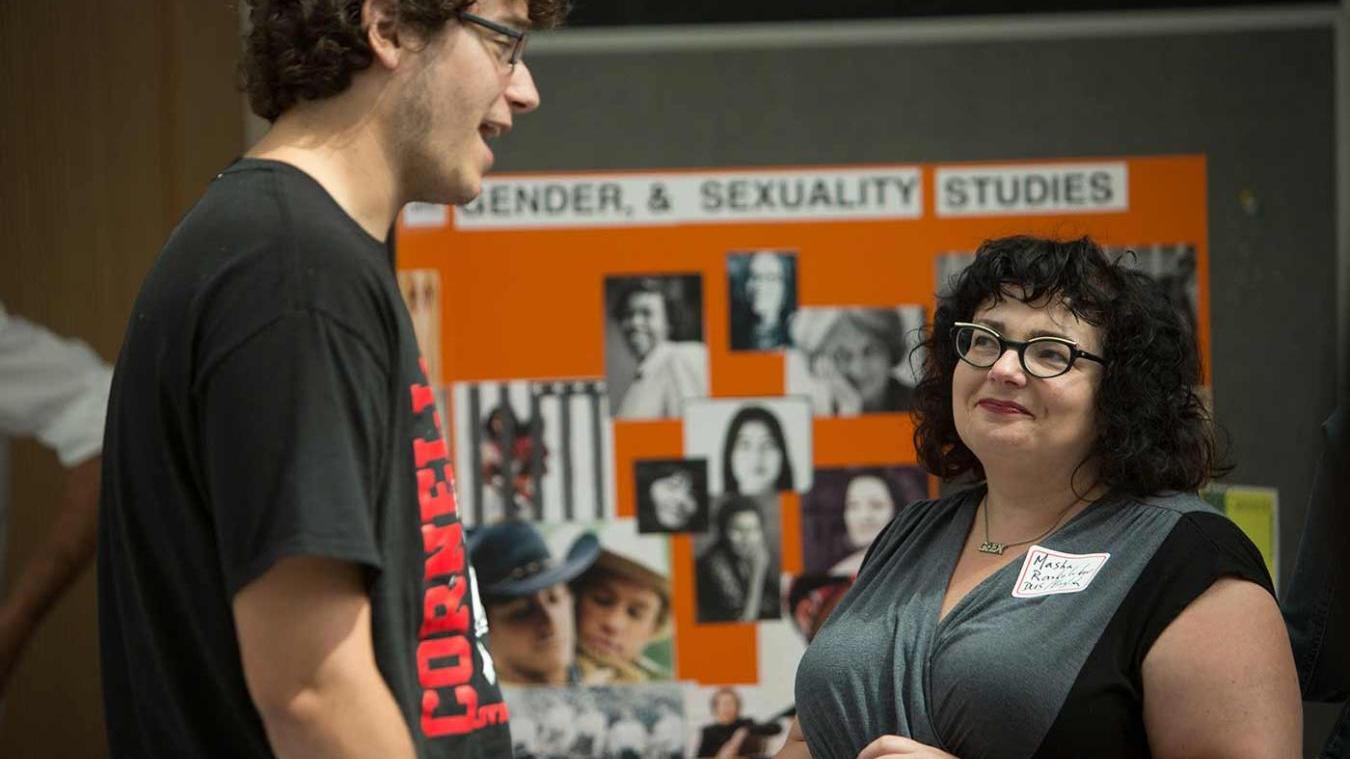
Established at Cornell University in 1972, FGSS seeks to address some of the most important issues the world faces today, for example migration and human rights, particularly from the perspective of the most vulnerable populations, by offering students the opportunity to study a wide range of fields from the perspectives of feminist and LGBTQIA critical analysis, in global and local contexts and with the purpose of promoting social justice.
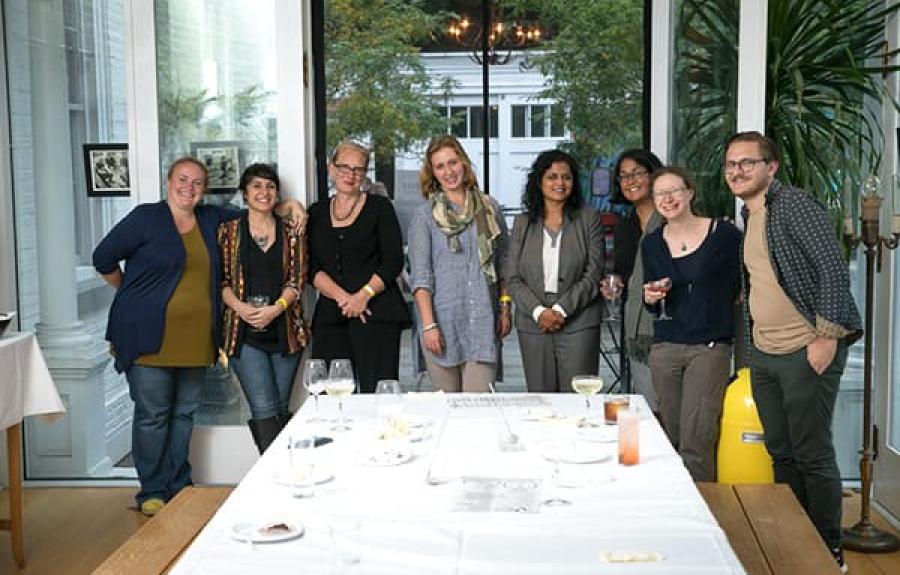
The Feminist, Gender, and Sexuality Studies Program remains committed to promoting the study of feminism, but also to advocating for the fair and equal treatment of women on campus, across the country, and around the world. For faculty and students alike, our goal is to be a gathering place for all those interested in and concerned with questions of gender and sexuality. Your donation helps make this possible in many ways; providing support to student research, guest speakers, faculty and student gatherings, and much, much, more. Many of you have fond memories of your time with fellow FGSS students and professors. Please consider a pledge or donation to Feminist, Gender, and Sexuality Studies.
1) Online. Click here to make a gift via the online secure gift form.
2) By phone. Use your credit card to make a gift by phone. Call 800-279-3099 and make sure to designate your gift to the Feminist, Gender, and Sexuality Studies Gift Fund #475427
3) By mail. Send a check made payable to Cornell University and mailed to: Cornell University, PO Box 25842, Lehigh Valley, PA 18003-9692. Please be sure to note on your check: Feminist, Gender, and Sexuality Studies Gift Fund # 475427
Location: Kahin Center
Location: A. D. White House, Guerlac Room
Location: Kahin Center

Open Letter on Sexual Assault & Violence at Cornell

Wrote a paper? Want to get published? The Princeton Undergraduate Journal of Gender and Sexuality Studies is seeking submissions for its Winter 2027 issue.

Join us for a celebration of Dolly Parton's life, music, and importance.

Cynthia Miller-Idriss ’94 will deliver a Cornell University Lecture examining links between misogyny and violent extremism. The leading scholar’s Sept. 30 talk, co-sponsored by departments in the College of Arts and Sciences, draws on her book “Man Up,” exploring gender-based violence as a predictor of radicalization.

The School of Criticism and Theory at Cornell University, a six-week summer program that serves as a hub for interdisciplinary inquiry in the humanities and social sciences, celebrated its 50th anniversary with events June 16-17.
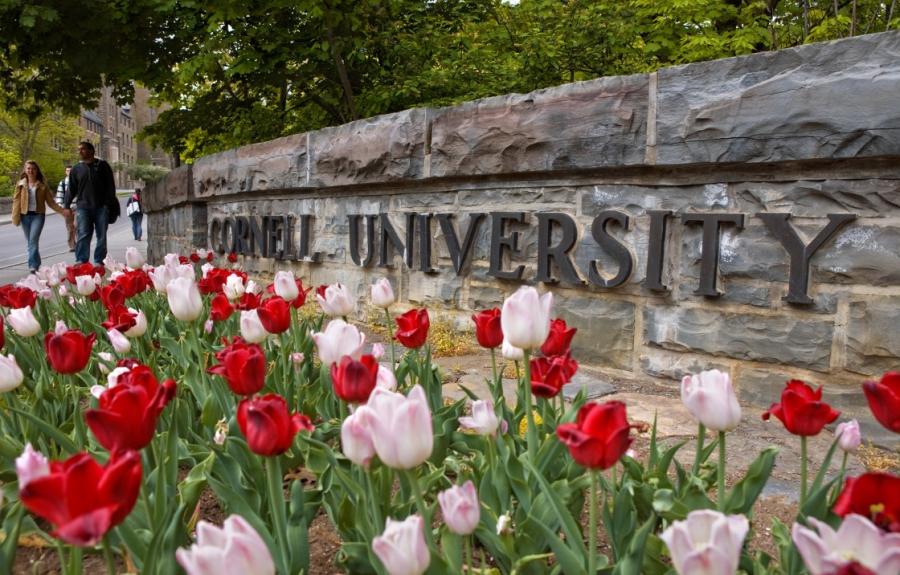
Check out this years winners of the Biddy Martin Graduate Prize and the LGBT Studies Undergraduate Prize!